
Greece is a joy to share, and old friends, big families, sports clubs, school classes and company teams all find something to love. Greece tours make life simple for a group, because one booking covers the guide, the transport and the route. Everyone enjoys the day together instead of sorting out tickets and timetables.
This guide walks through the country region by region, covering Athens, the Greek islands, the mainland, and Crete, Rhodes and Corfu. For each area, it shows the top sights, the kinds of tours on offer and the amenities groups can count on. The team at My Greece Tours wrote it especially for group planners.
Which Greece Tours Show Groups The Best Of Athens?
The best Athens tours for groups combine a guided Acropolis visit with a coastal drive or a relaxing boat day. That blend gives everyone both history and sea. Groups comparing Greece tours and Tours In Greece often start here, since the capital is the main gateway to the whole country.
Which sights stand out in Athens?
The Acropolis is the rocky hill that rises over the city, and the Parthenon crowns its flat top. This white marble temple was built for Athena, the goddess who gave Athens its name and guarded its people. Groups on guided Acropolis tours hear the stories behind each column, carving and statue.
Just below the hill, the Acropolis Museum protects the original statues from wind, rain and pollution. Its glass floors reveal the remains of an ancient street right under the building. Nearby, the Ancient Agora was the main public square, where citizens shopped, voted and argued about big ideas.
Plaka and Monastiraki are the old quarters at the foot of the hill, full of history and colour. Their narrow lanes hold small cafes, craft shops and a lively flea market packed with bargains. Groups love to wander here after a guided morning, then gather again at a chosen square for a long lunch.
South of the city, the Athens Riviera is a sunny coast of beaches, marinas and seaside towns. The coastal road ends at Cape Sounion, where the Temple of Poseidon, god of the sea, stands on a cliff. Out in the gulf, the Saronic islands of Hydra, Poros and Aegina make easy day trips by boat.
Which kinds of Greece tours run in Athens?
Private tours with a driver-guide suit families with young children or older relatives who tire easily. The comfortable van waits close by, so nobody has to walk far in the summer heat. These tours are priced per group, so they become better value as more people share the cost.
Boat cruises with swim stops are a hit with friends, while a private skipper suits a family wanting its own deck. The day mixes sunshine, sea and refreshing swims in clear coves. Guided walking tours suit curious groups who enjoy learning as they go, such as school classes and history clubs.
Cooking classes and wine tastings work especially well for company teams and social clubs. Everyone chops, stirs and tastes together, which builds a relaxed and friendly team spirit. At the end, the whole group sits down at one long table to share the traditional meal it prepared.
What amenities do groups get on Greece tours in Athens?
Many tours include lunch, and boat days often serve a BBQ meal on deck. A shared meal keeps the group together and saves time hunting for a restaurant table that fits everyone. Drinks come with most cruises, and some pour unlimited soft drinks, beer or wine.
Inside the Acropolis and its museum, only state-licensed guides may lead groups, so a licensed guide comes with every guided visit there. A local guide adds useful tips on food, shopping and quiet corners. The group gets clear answers without anyone searching on a phone.
Wine tastings offer a calm, social break between busy sightseeing stops, and the guide explains each local grape. Swim stops on coastal trips cool everyone down after a hot morning among the city’s ruins. These small extras turn a long day into a memorable one for every generation.
What tips help groups in Athens?
Start the Acropolis visit early, before the heat and the biggest crowds arrive at the gates. Choose one meeting point and one group chat, and share the guide’s phone number with everyone. A bright hat or small flag helps the group spot its leader on busy paths.
Comfortable shoes with good grip are important, because the old marble paths are smooth and slippery. Each person should carry water, sun cream and a light hat. Plan a long lunch break in the middle of the day, so older members and children can rest in the shade.


Which Greece Tours Take Groups Around The Islands?
Boat cruises, private skipper trips and full-day island visits take groups around the Aegean Sea. They let a group see more islands without the stress of planning every ferry. Each island has its own personality, from white clifftop towns to wild volcanic beaches. Groups can pair a lazy cruise with a lively town walk.
Which sights stand out in the Greek islands?
Santorini sits on the rim of a caldera, a giant bowl left behind when an ancient volcano blew apart. The sea filled the bowl, and whitewashed villages now cling to the steep cliffs above it. Oia, at the northern tip, is famous for its blue domes and glowing sunsets.
Mykonos town is a maze of white lanes and little chapels, with a row of old windmills above the harbour. A short boat ride away lies Delos, a sacred island where the ancient Greeks believed the god Apollo was born. Today the whole island is an open-air site of temples, homes and marble lions.
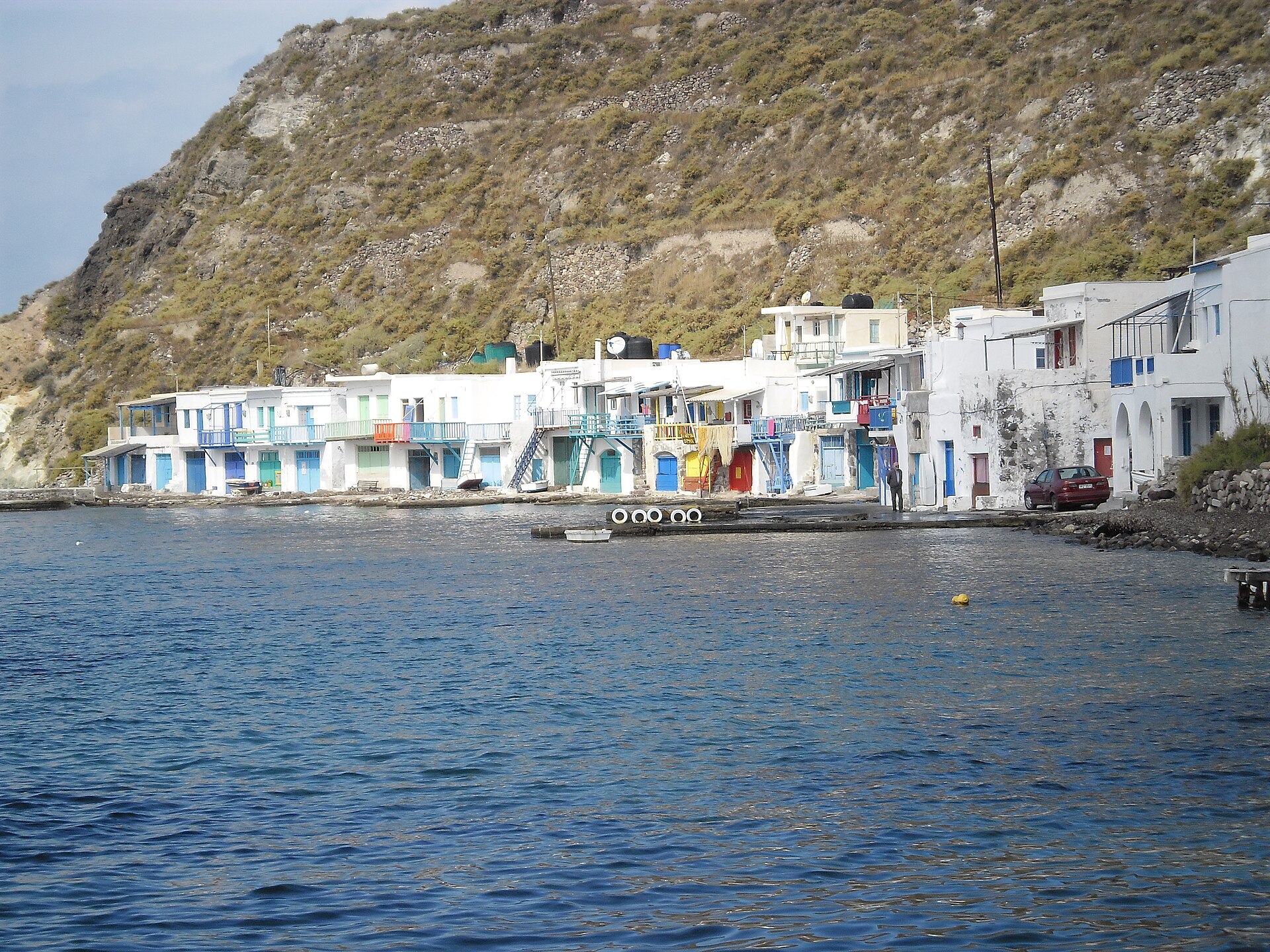
Milos is the island of strange rock shapes and brightly coloured bays. Kleftiko is a set of white sea cliffs and caves that only boats can reach, and pirates once hid there. Sarakiniko looks like the surface of the moon, with smooth white stone sliding into deep blue water.
On Naxos, the Portara is a huge marble doorway that stands alone on a small island linked to the harbour. It was the entrance to a temple for Apollo that was never finished. Locals and visitors gather beneath it in the evening to watch the sunset.
On Paros, Naoussa harbour is a fishing port full of bobbing boats and seaside tables. Many groups see these islands on Greek island hopping trips, moving from one port to the next by ferry or private boat.
Which kinds of Greece tours run in the Greek islands?
A private skipper gives a big group its own boat, which suits families and close friends who like to set their own pace. Like a private driver-guide on land, it is priced per group. That means the cost for each person drops as more friends join the trip.
Shared boat cruises with swim stops suit lively friends who enjoy meeting other travellers. Full-day trips from Athens by coach and ferry reach the nearer islands, which suits groups with a short stay. Snorkel and beginner scuba trips suit active teens and adults who want to see fish and sea caves up close.
Cooking classes and wine tastings fit relaxed groups, clubs and company teams who prefer a slower day. On Santorini, vines grow in volcanic soil, which gives the local wine a special flavour. A class or tasting is a peaceful way to finish a busy island day together.
What amenities do groups get on Greece tours in the Greek islands?
Most boat days serve lunch on board, often a BBQ meal of grilled meat, fish and fresh salads. Drinks are part of the deal, and some cruises pour unlimited soft drinks, beer and wine. For a group, this means one simple plan and no fuss over who pays for what.
Snorkel gear comes included on most swim cruises, so nobody has to pack masks or fins. Swim stops at quiet coves give everyone a chance to cool off and play. A local guide or skipper knows the calmest bays, and a licensed guide leads visits on Delos.
Free time to explore is just as important for a happy group. It lets each family or circle of friends shop, swim or rest before the boat leaves again. Wine tastings round off island days with local flavours, sea views and a slower, friendlier pace.
What tips help groups in the Greek islands?
Island boats leave on time, so the group should reach the port early with tickets ready. Pick a group leader to count heads at every stop, especially after free time. Agree on a meeting spot that everyone can find again, such as the main church or the harbour front.
Pack swimsuits, towels, reef-safe sun cream and a waterproof bag for phones and wallets. Seasickness tablets help anyone who feels unwell on boats, so the leader should carry a spare supply. On windy days the sea can turn rough, so it pays to keep an extra day in the plan.
Which Greece Tours Cover The Mainland Classics?
Full-day coach trips from Athens and multi-day tours with hotel nights cover the mainland classics. They link famous ruins and mountain monasteries without any group driving or parking stress. A guide keeps the stories clear from one site to the next. Many groups add a night near Meteora to see the rocks glowing at sunrise.
Which sights stand out in mainland Greece?
Delphi sits high on a mountain slope above a deep valley of olive trees. The ancient Greeks called it the centre of the world. People travelled here to ask the oracle at the Temple of Apollo, a priestess who passed on messages from the god.
Meteora is one of the most striking sights in Europe. Monasteries, which are homes for monks, sit on top of tall rock towers that rise from the plain. In the past, monks pulled visitors up in nets and baskets, but today steps cut into the rock make the climb much easier.
In the Peloponnese, the large peninsula in the south, Mycenae was the fortress of a powerful ancient king. Carved stone lions still stand guard over its famous Lion Gate. Nearby, the theatre of Epidaurus is known for its amazing sound, as a whisper on the stage carries to the top seats.
Nafplio old town has pretty lanes, a seaside promenade and a fortress high above the bay. Ancient Olympia is where the Olympic Games began, held in honour of the god Zeus. On the drive from Athens, coaches stop at the Corinth Canal, a narrow cut with steep rock walls.
Which kinds of Greece tours run in mainland Greece?
Full-day trips from Athens by coach reach Delphi, Mycenae or Epidaurus and return the same evening. They suit large groups such as school classes and clubs, since one coach carries everyone. Small-group tours suit families and close friends who want a quieter day and more time with the guide.
Multi-day tours with hotel nights link Meteora, Delphi and Olympia in one smooth loop through the countryside. These Greece historical tours suit history fans, retired friends and company groups on a reward trip. The coach carries the luggage, so nobody drags heavy bags between hotels.
Guided walking tours work well inside the ancient sites and around Nafplio old town. Entry tickets alone suit independent groups who want to explore at their own pace with a guidebook. This choice fits confident travellers who like to linger at their favourite spots.
What amenities do groups get on Greece tours in mainland Greece?
A licensed guide is the most valuable amenity on the mainland. Only state-licensed guides may lead groups inside Greek archaeological sites and museums, so the guide brings both permission and knowledge. At Delphi or Mycenae, that guide turns fallen stones and broken columns into a clear picture of the past.
Entry tickets are often part of the package, which saves the group from long ticket queues. The organiser no longer needs to collect money from everyone at the gate. A local guide adds advice on lunch spots, village bakeries and the best places for photos.
Hotel nights on multi-day trips are booked in advance, with rooms close together for the whole group. This matters for families with children and for company groups that want to share dinners. Everyone wakes up near the next sight and starts the day feeling fresh.
What tips help groups in mainland Greece?
Mainland sites are spread out, so plan for long drives and regular coach breaks with coffee and toilets. Arrive at busy places like Delphi early, before the day trip crowds fill the paths. Share the day plan the night before, so everyone knows the meeting times at each stop.
Bring sturdy shoes, because ancient paths are rocky and uneven. The monasteries of Meteora ask for modest dress, with covered shoulders, long skirts for women and long trousers for men. Carry snacks and water for the coach, and keep travel sickness tablets handy on mountain roads.


Which Greece Tours Suit Groups On Crete, Rhodes And Corfu?
Boat trips, guided old town walks and private driver tours suit groups on Crete, Rhodes and Corfu. These large islands have their own airports, so groups can fly straight in. Each one blends history, beaches and good food in a relaxed way. Each island also makes a comfortable base for varied day trips.
Which sights stand out in Crete, Rhodes and Corfu?
On Crete, the Palace of Knossos was the heart of the Minoans, an early people who lived long before classical Athens. Legend says the Minotaur, half man and half bull, lived in a maze beneath it. Chania harbour, with its old lighthouse and painted houses, is the island’s prettiest waterfront.
Balos lagoon, on the far western tip of Crete, has shallow turquoise water and pale pink sand. Boats bring most groups there, since the road is rough and dusty. It is one of the most photographed beaches in the whole country.
On Rhodes, the Old Town is a walled city from the Middle Ages, built by knights who ruled the island. Its stone streets, gates and grand palace feel like a step back in time. Along the coast, the Acropolis of Lindos stands on a cliff above white houses and a deep blue bay.
Corfu old town mixes Greek, Venetian, French and British touches, with arcades, forts and cricket on the main square. Further south, Zakynthos is home to Navagio, the famous shipwreck beach. A rusty ship lies on white sand in a bay framed by tall cliffs, and boats are the classic way to see it.
Which kinds of Greece tours run in Crete, Rhodes and Corfu?
Private tours with a driver-guide cover the long roads of Crete with ease. They suit families with mixed ages, since the van stops wherever someone needs a break. Priced per group, they become better value as the group grows, and a private skipper does the same job at sea.
Boat cruises with swim stops suit friends and teens on each island, from Balos to the Corfu coast. Guided walking tours through the old towns of Rhodes and Corfu suit groups who love history and photos. Entry tickets let independent groups explore Knossos or Lindos at their own pace.
Cooking classes and wine tastings on Crete suit company teams and food-loving clubs. Groups that start in the capital can add full-day trips from Athens by coach before flying out to the islands. That way, the holiday covers both the classic ruins and the big islands.
What amenities do groups get on Greece tours in Crete, Rhodes and Corfu?
Boat trips to Balos or around Corfu include lunch, often a BBQ meal served on deck. Drinks come on board, and some trips make them unlimited for the whole day. Groups appreciate this, since nobody needs to carry a heavy cooler or collect cash from friends on the beach.
A licensed guide brings Knossos and the Rhodes Old Town to life, and only these guides may lead groups inside the sites. Entry tickets bought ahead mean the group skips the wait at the ticket desk. A local guide also points out the best bakeries and beaches.
Wine tastings on Crete pour local wines with cheese, olives and fresh bread, a treat for any group. Swim stops break up hot days and let children burn off energy while parents relax. Together, these extras keep spirits high from morning until sunset.
What tips help groups in Crete, Rhodes and Corfu?
These islands are big, so base the group in one town and take day trips from there. Book boat days early in the stay, leaving later days free in case strong wind cancels a trip. The group leader should keep a list of everyone’s phone numbers and hotel names.
Bring hats, sun cream and refillable water bottles for hot ruins like Knossos and Lindos. At Lindos, the path up is steep, so slower walkers should start early and take regular breaks. Pack a light jacket for breezy evening boat rides back to the harbour.
Conclusion: Best Greece Tours For Big Groups, Planned Well
A great group holiday blends famous sights with easy days and shared meals. Athens gives the history, the islands bring the sea, and the mainland adds mountains and legends. Crete, Rhodes and Corfu round it all off with old towns, boat trips and beaches. Every region rewards a group that shares each experience.
The right mix of private tours, boat days and guided visits keeps every member happy, whatever their age. For more help with roles, budgets and booking, see this guide to Greece group tours for organisers. With good planning, the whole group comes home sharing the same happy stories.
Frequently Asked Questions About Best Greece Tours For Big Groups
Which Greece tours do big groups book most?
Big groups most often book a guided Acropolis visit, a boat cruise with swim stops and a coach trip to Delphi. Together, these give a balanced mix of history, sea and scenery in a short stay. Many groups also add a cooking class for a memorable evening together.
Are private Greece tours worth it for groups?
Yes, private tours are worth it for groups, because they are priced per group rather than per person. The cost is shared, the route is flexible and nobody waits around for strangers to arrive. They are ideal for families with young children, older relatives or anyone needing extra comfort.
What do Greece tours usually include?
Most tours include a licensed or local guide and transport, and many also add entry tickets to the sites. Boat trips include lunch or a BBQ meal, drinks, snorkel gear and swim stops. Multi-day tours also cover hotel nights, so organisers should always check the list carefully before booking.
How far ahead should groups book Greece tours?
Groups should book as early as they can, especially for summer trips, private boats and popular cooking classes. Big groups need many seats on the same day, and the best departures fill quickly. Booking early also leaves time to organise meals, rooms and meeting points calmly.
Can one trip combine Greece tours in Athens and on the islands?
Yes, many groups spend a few days in Athens and then take a ferry or a short flight to the islands. Athens is the main hub for ferries and flights across the Aegean Sea. This combination gives the group both ancient history and relaxing beach days in one holiday.
What is the best month for Greece tours?
May and September are the best months for most groups, with warm sunshine and fewer crowds. The sea is pleasant for swimming and the sites feel calmer than in high summer. Families tied to school holidays can still enjoy summer by starting each day early and resting at midday.
How do big groups book Greece tours?
Big groups book Greece tours best through one lead organiser who gathers names, checks needs and makes a single booking for everyone. This keeps payments, messages and changes in one tidy place. It also stops friends from booking different departures by mistake.
Who should lead the booking for a group?
The best lead organiser is calm, organised and quick to answer messages. This person collects the full guest list, along with ages, food needs and any mobility problems. Clear facts at the start help the tour team choose the right vehicle, guide and walking pace for the whole party.
Large company groups and clubs often share the work between several helpers. One person handles the money, another tracks rooms and seats, and another answers questions from guests. Each helper reports back to the lead organiser, so nothing slips through the cracks before the trip begins.
Clear timing matters when a large party books Greece tours together. The organiser should confirm final names, pickup points and payment deadlines in one email to everyone. Every member then has the same facts, and nobody turns up at the wrong hotel lobby on the morning of a tour.
Before paying, the organiser should read the group terms closely. Some Greece tours have special rules for large parties, such as a name list or an early final headcount. A guide to choosing the right Greek tour helps groups compare these details side by side.
Which Greece tours fit the group’s mix of ages and interests?
A group of old friends wants different things from a school trip or a family reunion. The organiser should list what the group loves most, such as ruins, beaches, food or nature walks. That short list makes it far easier to pick Greece tours that please nearly everyone.
Mixed groups often do well with a fixed route and a professional escort. Reading about escorted tour itineraries shows how one leader can guide a big party through several regions. The escort solves problems on the spot, which frees the organiser to enjoy the holiday too.
Groups who want a more personal feel can explore small-group and private experiences instead. Island legs need careful planning as well, because ferries fill up on busy routes. These ferry booking tips help a group secure seats together and avoid splitting up at the port.


Why do private Greece tours suit groups?
Private Greece tours suit groups because the whole day is built around them, from the start time to the lunch stop. Nobody waits for strangers, and nobody feels rushed at a crowded site. The group simply enjoys its own space and its own rhythm.
How do private Greece tours handle different needs?
A private guide can slow down for grandparents and speed up for teenagers within the same day. The driver can stop for a toilet break, a snack or a sudden photo without asking other guests. That freedom keeps tempers cool and energy high from morning to evening.
Families gain the most from this flexible style. Parents can plan naps, swims and early dinners around young children, as these family-friendly travel tips explain. A private vehicle also makes room for pushchairs, car seats and bags of favourite snacks.
Groups with special interests benefit just as much from private Greece tours. A wine club can add an extra winery, while a history society can spend longer at a single temple. The guide shapes the stories to suit the people listening, so every member stays curious and involved.
Mobility needs are easier to meet on private Greece tours as well. The guide can choose flatter routes, gentle paths and shaded rest spots for anyone who walks slowly. Older relatives and guests with limited mobility then join the whole day without feeling left behind.
What makes private Greece tours feel special for a group?
Privacy turns an ordinary tour into a shared memory. Friends can laugh loudly, sing on the bus and talk freely without worrying about other guests. Company teams can even hold a short speech or a toast during a scenic stop.
Many groups use private Greece tours to mark a big moment, such as a birthday, an anniversary or a retirement. The guide can arrange a surprise cake, a scenic photo spot or a long table with a view. Small touches like these make the day feel personal and warm.
Organisers who want to compare options in depth can study this guide to personalised private travel. It explains how a custom plan works and what to ask before booking. With the right questions, a group gets a day that truly fits its style.
How do groups budget for Greece tours?
Groups budget for Greece tours by setting a clear spending range early and agreeing what the shared fund will cover. This avoids awkward talks about money halfway through the holiday. It also helps every member know exactly what to expect.
How can a group split the cost of Greece tours fairly?
The simplest method is one shared fund for tours, transport and group meals. Each person pays in before the trip, and the organiser keeps a clear record of every payment. Personal extras, such as shopping or additional drinks, stay outside the fund.
Families with children often pay a different share from couples, since many tours charge less for children. The organiser should agree these rules in writing before anyone pays. A shared spreadsheet or a money app makes every payment easy for members to check.
Private Greece tours priced per group become cheaper for each person as more friends join. That makes them a smart choice for larger parties with similar interests. Shared tours priced per person work better when only part of the group wants a certain activity.
Deposits deserve careful attention too. Many Greece tours ask for a deposit when a group books, with the balance due closer to the date. The organiser should collect each member’s share early, so one generous person never carries the whole cost for weeks.
Where can groups save money on Greece tours?
Travelling just outside the busiest weeks often brings better value and calmer sites. Weekday departures can also cost less than weekend ones in popular areas. These tips to travel well for less show many more ways to stretch a group budget.
Packing smart saves money as well. Light bags avoid extra baggage fees on small planes and make boarding ferries much faster for a big party. This guide to packing light for island tours shows how each member can travel with less.
Groups can also save by choosing a handful of excellent tours instead of many average ones. Free days between Greece tours cost little and give everyone time to rest. Picnics, street food and village bakeries keep lunch costs low on those relaxed days.
Comparing what different Greece tours include also protects the budget. A slightly dearer tour with lunch, drinks and entry tickets often works out cheaper than a basic one plus extras. Organisers should add up the full cost for the group before choosing.
How do groups stay together on Greece tours?
Groups stay together on Greece tours by naming a leader, agreeing on meeting points and using one shared group chat. These habits are quick to set up each morning. They save long, stressful searches later in the day.
What simple habits keep a group together?
Small daily habits make a big difference at busy sites, ports and markets. The leader should repeat them every morning until they become second nature for each member.
- Count heads at every stop, not only at the start
- Choose a meeting point that is easy to spot, like a fountain
- Give every child a card with the leader’s phone number
- Keep the group chat for plans, not for jokes
- Wear a shared colour or hat so members spot each other
Big groups can also split into smaller teams, each with its own captain. Captains check their team at every stop and report straight to the main leader. This system works especially well for school trips, sports clubs and large family reunions.
Following simple safety tips for visitors also helps, such as keeping bags closed in crowds and drinking plenty of water. A tired or thirsty person slows the whole group down. Regular rest breaks keep everyone fresh, cheerful and close together.
How do groups stay friendly with locals on Greece tours?
A large group can feel loud in a quiet village or a small church. Learning some polite local etiquette helps members dress and act in ways that locals welcome. Covering shoulders in churches and speaking softly in sacred places shows real respect.
A few words of Greek also go a long way. Members who learn essential Greek phrases, such as yassas for hello and efharisto for thank you, often receive warmer smiles. Waiters, drivers and shop owners notice the effort straight away.
Good manners keep a group together in a practical sense too. When everyone respects the guide’s timing, nobody gets left behind at a shop or a café. A happy group that listens well moves smoothly from one sight to the next on all its Greece tours.


Which Greece tours suit groups in spring?
In spring, the best Greece tours for groups are guided ancient sites, Meteora day trips and lively Easter culture tours. Mild weather makes every walk a pleasure. Crowds stay light, so groups move easily through the most famous places.
What do groups see on spring Greece tours?
Spring is the season when Greece looks fresh and green. Fields fill with red poppies, yellow daisies and wild herbs, while orange trees scent the air in the south. Ancient sites like Delphi and Olympia feel peaceful, with birdsong instead of busy crowds.
Meteora is especially striking at this time, as the rock towers rise above bright green valleys. This guide to spring wildflowers at Meteora shows the best spots for photos. Nature lovers, walking clubs and garden societies find spring Greece tours to Meteora hard to beat.
Athens is also comfortable for long walking tours in spring. The Acropolis and the old quarters are pleasant before the strong summer heat arrives. A guide to the best time to visit Greece explains why many groups choose this season for a first trip.
The sea is still cool, so spring Greece tours focus more on land than on beaches. Brave swimmers can still enjoy a quick dip on sunny afternoons. Island boat trips start running again as the season moves on toward summer.
How do groups enjoy Easter on Greece tours?
Easter is the biggest holiday of the year in Greece, even bigger than Christmas. Towns hold candlelit processions on Good Friday, and churches fill for a late-night service on Saturday. At the end, people light candles and share the joyful words Christos Anesti, meaning Christ is risen.
On Easter Sunday, families roast whole lambs on spits and dance in the streets. Red eggs are cracked together in a friendly game to see whose egg stays whole. Groups who join these days feel like guests at a giant family party.
Planning matters, because Easter moves around the calendar and towns get busy. This guide to Greek Easter traditions explains timing and the best places to go. Cooking classes before the holiday teach groups to bake sweet Easter bread and dye eggs the local way.
Which Greece tours suit groups in summer?
In summer, the best Greece tours for groups are boat cruises, island trips and sunset tours. Warm seas and long days pull everyone toward the water. Families on school holidays also find this the easiest season to travel together.
What do groups see on summer Greece tours?
Summer is beach season, and the islands are at their liveliest. Turquoise coves, sandy bays and sea caves wait around every corner of the coast. This guide to the top beaches in Greece helps groups choose bays that suit both children and adults.
Evenings are a highlight of summer Greece tours. Groups gather on cliffs and harbour fronts to watch the sky turn orange, pink and purple. A list of the best sunset spots helps planners time a sunset cruise or a dinner with a view.
Summer also brings outdoor culture to every region. Ancient theatres host plays and concerts under the stars, and villages hold lively festivals with music and dancing. Open-air cinemas in Athens let groups watch a film with the Acropolis glowing in the background.
Island hopping reaches its peak in summer, with frequent ferries linking the Cyclades and the Dodecanese. Groups can combine a lively island with a quieter neighbour for variety. This balance gives energetic friends and relaxed relatives something different to enjoy.
How do groups handle the heat and crowds on summer Greece tours?
Heat is the main challenge, so smart groups start their tours early in the morning. Midday is for swimming, long lunches or a rest in the shade. Ruins and walking tours work best just after sunrise or in the cooler hours before sunset.
Boat-based Greece tours are the coolest way to see the coast in summer. A breeze on deck and a swim stop in clear water refresh everyone on board. Snorkel trips and sea kayaking keep teens busy, while parents relax in the sun.
Popular islands fill up, so groups should respect both locals and nature. Simple habits from this guide to sustainable travel in Greece help, such as carrying refillable bottles and taking all rubbish home. A responsible group leaves every beach as clean as it found it.
Booking summer Greece tours well ahead also matters for big parties. Boats, coaches and guides are in high demand during the peak season. Early planning keeps the whole group on the same departure and avoids last-minute splits.


Which Greece tours suit groups in autumn?
In autumn, the best Greece tours for groups are wine harvest tours, hiking trips and island cruises. The sea stays warm while the crowds fade. Soft golden light also makes this a favourite season for photographers.
What do groups see on autumn Greece tours?
Early autumn feels like a gentle summer. The sea holds its warmth, so boat trips and swim stops still work well for groups. Busy islands like Santorini and Mykonos turn calmer, and harbour tables become easy to find for a big party.
Autumn is also harvest time across the countryside. Vineyards in Nemea, Crete and northern Greece pick their grapes, and later the olive harvest begins. Many villages celebrate with music, food and wine, as this guide to Greek festivals shows.
Northern Greece also shines in autumn, when the forests around Mount Olympus and the Zagori villages change colour. Stone bridges, mountain taverns and quiet monasteries create a peaceful atmosphere. Families and photography clubs especially appreciate these colourful landscapes.
Wine tastings at harvest time let groups see the work up close. Some wineries invite guests to help pick grapes or watch the pressing. Company groups and clubs enjoy these hands-on Greece tours as a relaxed team activity.
Why do active groups pick autumn for Greece tours?
Cooler days make autumn perfect for walking. The Samaria Gorge on Crete and the Vikos Gorge in the north both suit fit groups at this time. This guide to top hiking trails in Greece helps leaders match routes to their group.
Ancient sites are a joy in autumn as well. Guides have more time for questions, and groups can linger at Delphi or Mycenae without the summer rush. This list of seasonal events across Greece shows what else is happening during the trip.
Late autumn brings shorter days, and some ferry routes slow down. Groups should check schedules carefully and keep a spare day for windy weather. Rain showers pass quickly, so a light jacket solves most problems on autumn Greece tours.
Autumn is also ideal for company retreats and team-building programmes. Hotels have more space for meeting rooms and group dinners, and local guides are less stretched. Organisers often find better availability for coaches, boats and experienced guides.
Which Greece tours suit groups in winter?
In winter, the best Greece tours for groups are Athens city tours, museum visits, food tours and mountain trips near Delphi. The islands go quiet, but the mainland stays lively and welcoming. Crowds and costs both drop, which suits groups watching their budget.
What do groups see on winter Greece tours?
Athens is a great winter base for groups. The big museums are calm, and the Acropolis feels almost private on clear, sunny days. A guide to the best time to visit Athens shows why the city works all year round.
In the mountains, snow often covers Mount Parnassus above Delphi. Groups can visit the ancient site in the morning, then enjoy the ski slopes or the stone village of Arachova. Meteora looks magical when mist wraps around the rock towers.
Crete stays milder than most of the country, so it suits groups who want sunshine in the cooler months. The palace of Knossos and the old harbour towns stay open and peaceful. Many beach hotels close, so town hotels make a better base for winter Greece tours.
Winter is also the season for hearty food tours. Groups taste slow-cooked stews, warm pies and fresh oranges, then sip local wine beside a crackling fire. Cosy taverns in mountain villages make these evenings especially memorable for families and friends.
Which holidays brighten winter Greece tours?
Christmas lights fill the main squares of Athens and Thessaloniki, with markets, music and sweet treats. At New Year, families cut a cake called vasilopita, and whoever finds the hidden coin gets good luck. This guide to Greek holiday customs explains these and many more traditions.
At Epiphany, priests bless the waters by throwing a cross into the sea, a river or a lake. Brave swimmers dive into the cold water to bring it back, and the crowd cheers loudly. Groups who watch this ceremony see a side of Greece that summer visitors miss.
Late winter brings carnival season, with the biggest parade held in Patras. Costumes, floats and street parties fill the city, and clubs and groups of friends love joining in fancy dress. Winter Greece tours timed for carnival give a group a party it will never forget.
Which places do group Greece tours reach?
Group Greece tours reach the sunny Cyclades islands, the classic mainland sites and the green islands of the west. Rhodes and Kythira add variety in the south. Many groups mix several regions in one trip, linking them by ferry, coach or a short flight.
Islands
The Aegean islands are the dream for most groups who picture Greece. White villages, blue sea and lively harbours make every stop feel like a postcard. Island Greece tours let a group see more places by boat in less time, with swim stops and long lunches along the way.
- Santorini – whitewashed villages on volcanic cliffs above a flooded caldera
- Mykonos – old windmills, lively beaches and the white lanes of Little Venice
- Naxos – the marble Portara doorway, mountain villages and long sandy beaches
- Paros – the fishing harbour of Naoussa and pretty, relaxed hill villages
- Milos – the moonlike white rocks of Sarakiniko and the sea caves of Kleftiko
- Rhodes – a walled old town from the Middle Ages and clifftop Lindos
Mainland
The mainland holds the great ancient sites that school groups and history clubs travel far to see. Coaches link them on good roads, so nobody in the group has to drive or find parking. Most mainland Greece tours start from Athens and return the same evening, which keeps packing to a minimum.
- Athens – the Acropolis, the Parthenon and lively old quarters like Plaka
- Delphi – the Temple of Apollo and the ancient oracle on a mountain slope
- Meteora – monasteries perched on top of giant rock towers above the plain
- Olympia – the birthplace of the ancient Olympic Games and the Temple of Zeus
- Mycenae – the Lion Gate and the hilltop fortress of legendary kings
West and south
The Ionian islands in the west are greener than the Aegean, with olive groves, cypress trees and forested hills. Kythira, off the southern tip of the Peloponnese, feels quiet and untouched. These places suit groups who want beaches, walks and nature without the big summer crowds.
- Corfu – a stylish old town with Venetian forts and lush green hills
- Kefalonia – Myrtos beach, the Melissani cave lake and quiet seaside villages
- Zakynthos – the famous Navagio shipwreck beach and sea turtle nesting bays
- Kythira – hidden waterfalls, quiet coves and a castle above the main village
How do groups plan Greece tours over one week?
Groups plan a week of Greece tours with two Athens days, a Delphi or Meteora trip, then island days and a boat day. This shape gives everyone history, mountains and sea without rushing. A sample Athens, Santorini and Mykonos itinerary shows how the pieces fit together.
How do Greece tours fill two days in Athens?
The first day belongs to the Acropolis and its stories. Groups should arrive early with a licensed guide, then visit the Acropolis Museum before a long lunch in Plaka. The afternoon stays free for rest, shopping or a stroll through the busy lanes of Monastiraki.
The second day can head south along the coast to Cape Sounion, ending with sunset at the Temple of Poseidon. Another option is a boat trip to the Saronic islands for swimming and fresh seafood. Either choice gives the group a gentle start before the busier days ahead.
Athens also suits shared evening plans for the whole party. A rooftop dinner with Acropolis views or a food walk through the central market makes a warm welcome for the group. These moments build team spirit early in the week, before everyone heads out of the city.
Groups that like some freedom can use this guide to self-guided itinerary planning to fill the gaps between Greece tours. It helps leaders balance guided days with free time, so nobody feels rushed or bored. That balance keeps energy high for the rest of the trip.
How does a Delphi or Meteora trip fit the week?
The third day suits a full-day mainland trip by coach from Athens. Delphi is the easier choice, with a scenic drive and a famous mountain site. Meteora is a longer journey north, but its cliff-top monasteries and huge rock pillars reward every minute on the road.
Delphi pairs well with a stop in Arachova, a stone village on the mountainside known for woollen rugs and cosy cafés. Groups can browse local crafts and taste honey and cheese. The visit turns a long coach day into a pleasant outing.
Big groups should book a coach with a licensed guide, since only state-licensed guides may lead groups inside Greek archaeological sites. The guide explains the oracle at Delphi or the daily life of the monks at Meteora. Lunch in a mountain village breaks up the drive nicely.
Some groups turn Meteora into an overnight stay to see the rocks glowing at sunrise. This option suits clubs and families who prefer a slower pace and quieter mornings. It also splits the long drive into easier parts, with a night in the small town of Kalambaka below the rocks.
Whichever site the group picks, an early departure makes the day calmer and cooler. Comfortable shoes, water and a light jacket suit both places, since mountain air can feel fresh. The monasteries at Meteora also ask visitors to cover their shoulders and legs, and they lend wraps at the door.
How do Greece tours fill three island days and a boat day?
The last part of the week moves to the islands by ferry or a short flight from Athens. Santorini and Mykonos are the classic pair, and fast ferries link them easily in the busy season. This guide to Greek islands for first-timers helps new groups choose where to stay.
On Santorini, one day can cover the clifftop towns of Fira and Oia plus a winery tasting. On Mykonos, groups can explore the old town, the windmills and a sunny beach. A short boat trip to sacred Delos adds a strong dose of history to the island days.
The boat day is the highlight for many groups. A private or shared cruise around the caldera includes swim stops, lunch, drinks and plenty of sunshine. Friends and families end the week with laughter, salt water and a sunset they will talk about for years.
Groups should keep the last evening free for a farewell dinner by the sea, with fresh fish and local wine. A relaxed meal gives everyone time to share favourite moments from their Greece tours. It also leaves room in case wind delays a ferry or boat.
Island days also need a simple rhythm. Mornings suit sightseeing and swims, afternoons suit rest, and evenings belong to long dinners by the harbour. This pattern keeps older relatives and young children happy on island Greece tours.
More questions about Greece tours for groups
These answers cover the practical questions organisers ask most about Greece tours, from boats and children to tips and clothing. Each short answer below helps a group plan with more confidence and fewer surprises.
Can a group book a whole boat on Greece tours?
Yes, groups can charter a whole boat on Greece tours, with a skipper and crew who follow the group’s own plan. Private charters suit families, friends and company teams who want privacy and a relaxed pace. The route, swim stops and lunch can all match the group’s wishes, from quiet coves to lively beaches.
Are Greece tours good for children?
Yes, Greece tours are great for children, especially boat trips, easy walks and hands-on cooking classes that keep young minds busy. Guides often share myths about gods, heroes and monsters that children love. Families should pick shorter tours with breaks, shade and swim stops, so little legs never get too tired.
Can Greece tours be changed after booking?
Many Greece tours allow changes after booking, but each provider sets its own rules on dates, headcounts and refunds. Organisers should read the cancellation terms carefully before paying any deposit. Private tours give more room to adjust than shared ones, especially when the group size changes.
Do Greece tours include hotel pickup?
Many Greece tours include hotel pickup in central areas, while others ask groups to meet at a set point. Private tours almost always collect the group from its hotel or holiday rental. Organisers should confirm the pickup place and time for every booking, and share them with all members.
Is tipping expected on Greece tours?
Tipping is not required on Greece tours, but it is common to thank a good guide or driver with a small tip. Groups often collect a shared tip at the end of the day and hand it over with a thank-you. This keeps things simple, generous and fair for everyone.
What should groups wear on Greece tours?
Groups should wear light, breathable clothes, sturdy walking shoes and sun hats on Greece tours, plus swimwear on boat days. Churches and monasteries ask for covered shoulders and knees, so a light scarf is handy. A thin jacket helps on windy boat trips and cool evenings by the sea.
See more in Webitnow: